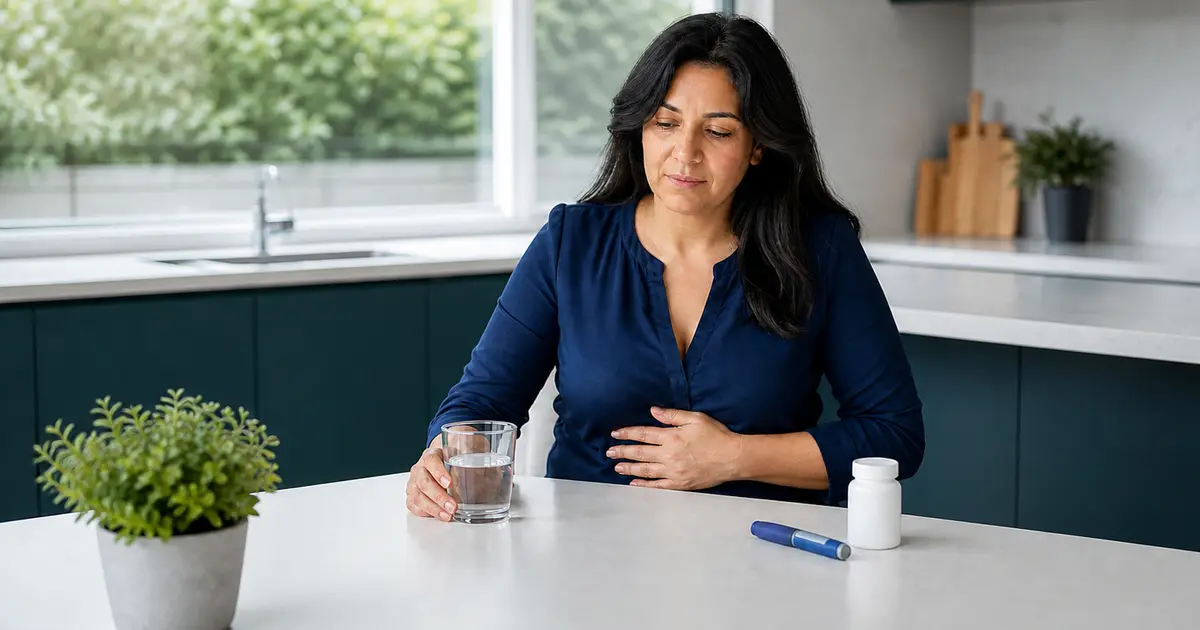
Helpful Products for GLP-1 Treatment
Managing your GLP-1 medication is easier with the right tools:
-
Sharps container — Essential for safe needle disposal. A sharps container is required for home use.
-
Ginger products — Manage nausea with ginger chews or ginger tea.
-
Water bottle — Stay hydrated to reduce side effects. A large water bottle helps you track intake.
-
Electrolyte packets — Prevent dehydration. Liquid I.V. packets dissolve easily in water.
GLPSpot may earn from qualifying purchases.
Serena Williams' weight loss became one of the most searched health topics of 2026. Searches for "Serena Williams GLP-1" surged to a trend score of 31,700.
Here's what we know, what she's said, and what matters.
The Speculation
Williams has undergone a visible physical transformation. Social media, red carpets, and public appearances fueled theories about GLP-1 use.
The speculation grew because:
- Search volume exploded in early 2026
- Social media was filled with theories
- Celebrity GLP-1 use became mainstream news
What Serena Has Said
As of this writing, Serena Williams has not confirmed using GLP-1 medications. She has attributed her transformation to:
- Intense training – She's maintained an elite athletic lifestyle
- Diet changes – She's adjusted her nutrition, especially after pregnancy
- Business demands – Running Serena Ventures requires sustained energy and focus
Important: Speculating about someone's medical decisions without their confirmation is problematic. Whether someone uses GLP-1 is personal health information.
Why the Conversation Matters
The Celebrity Effect
When celebrities are suspected of using GLP-1:
- Search volume spikes — people want to learn more
- Stigma shifts — weight loss meds become more normalized
- Demand increases — prescriptions rise
- Misinformation spreads — unverified claims circulate
The Athlete Angle
Williams' case is interesting because she's a world-class athlete. GLP-1 raises unique questions for athletes:
- Muscle mass – GLP-1 weight loss includes muscle, which matters for performance
- Energy levels – Less food intake could affect training
- Recovery – Some research suggests anti-inflammatory benefits
What Experts Say
GLP-1 Meds Aren't Magic
They still require:
- Caloric awareness
- Lifestyle changes
- Medical supervision
- Realistic expectations
Results Vary
Clinical trials show 15-20% average weight loss with semaglutide and up to 22% with tirzepatide. Individual results depend on starting weight, diet, exercise, metabolism, and genetics.
The "Ozempic Body" Concern
Some providers worry about rapid weight loss causing:
- Loss of facial fat
- Muscle reduction
- Loose skin
- Nutritional gaps
What We Can Learn
1. Weight Loss Is Personal
How someone loses weight is their own health decision. Speculation can be harmful.
2. GLP-1 Meds Are Legitimate Treatment
They're FDA-approved for obesity and diabetes. Not "cheating" — evidence-based medicine.
3. Athletes Face Unique Pressures
Public scrutiny of athletes' bodies is intense. The conversation should center on health, not appearance.
4. Curiosity Is Normal
If celebrity speculation made you curious about GLP-1, that's a reasonable starting point. The next step is talking to a doctor.
GLP-1 Quick Overview
| Medication | Brand Names | For | Avg. Weight Loss |
|---|---|---|---|
| Semaglutide | Ozempic, Wegovy | Diabetes, obesity | 15-17% |
| Tirzepatide | Mounjaro, Zepbound | Diabetes, obesity | 20-22% |
| Liraglutide | Saxenda, Victoza | Obesity, diabetes | 5-8% |
All require prescriptions. All work best with diet and exercise. All have side effects, mostly stomach-related.
FAQ
Has Serena confirmed using GLP-1?
No. She has not publicly confirmed using GLP-1 medications.
Why is everyone searching "Serena Williams GLP-1"?
Her visible weight loss sparked widespread speculation. It became the highest-trending GLP-1 search in early 2026.
Can GLP-1 help non-celebrities?
Yes. GLP-1 medications are FDA-approved for obesity and have shown 15-22% average weight loss in trials.
The Bottom Line
Whether or not Serena Williams used GLP-1 is her personal health information. What matters is that the conversation has opened the door for millions to learn about legitimate weight loss treatments. If you're curious, talk to a doctor — not social media.
This article is for information only and is not medical advice.