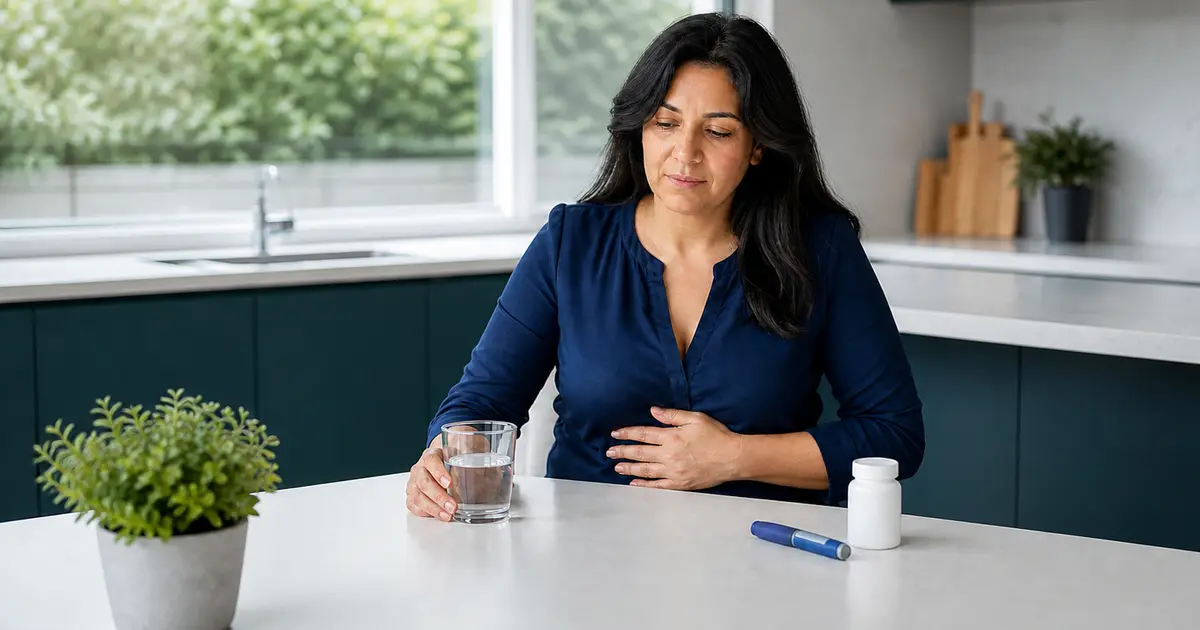
You are losing weight. You feel better. But you also see changes in the mirror that make you want to do something about it — Botox for those new lines, fillers for hollow cheeks, or maybe even surgery for loose skin.
Here is what the evidence says about combining GLP-1 medications with cosmetic procedures.
Quick Answer
Most cosmetic procedures are safe while on GLP-1s, but timing matters. Botox has no known interaction. Fillers are safe but best done when your weight is stable. Surgery requires careful planning around your weight trajectory and nutrition. The biggest risk is not the medication — it is doing procedures while your body is still changing.
Key Points
- Botox is safe on GLP-1s — no drug interaction, no special precautions beyond normal
- Fillers are safe but timing matters — get them after weight stabilizes for best results
- Surgery requires planning — stabilize weight 3 to 6 months before elective procedures
- Nutrition is the hidden factor — low appetite can mean poor wound healing
- Your face will keep changing — fillers placed during active weight loss may not look right as contours shift
- GLP-1s do not contraindicate any cosmetic procedure — but your overall health status might
Botox and GLP-1 Medications
Is It Safe?
Yes. Botox (onabotulinumtoxinA) and similar neuromodulators (Dysport, Xeomin, Jeuveau) work by temporarily weakening facial muscles. They act locally at the injection site. GLP-1 receptor agonists work on an entirely different system — gut hormones, insulin, and appetite regulation.
There is no pharmacological interaction between the two.
What to Tell Your Injector
Mention you take a GLP-1 medication. Not because of an interaction, but because:
- Dehydration is common on GLP-1s and can make skin look more wrinkled, which may influence how much Botox your injector recommends
- Weight loss changes facial proportions — your injector may adjust placement or dosage compared to your last visit
- Rapid weight loss can make lines appear more pronounced even though the underlying muscle activity has not changed
Practical Tips
- Stay hydrated for 48 hours before your appointment
- Do not skip meals the day of your appointment (nausea from Botox anxiety + GLP-1 nausea is a bad combo)
- Botox results last the same 3 to 4 months whether you take a GLP-1 or not
Dermal Fillers and GLP-1 Medications
Is It Safe?
Yes, fillers are safe on GLP-1s. The hyaluronic acid in fillers does not interact with GLP-1 receptor agonists.
The Timing Problem
This is where it gets complicated. If you are actively losing weight on a GLP-1, your facial contours are changing. Fillers placed today may not look right in three months when your face has lost more volume.
What can happen:
- Fillers placed in the cheeks shift as facial fat decreases around them
- Under-eye fillers may become more visible as surrounding tissue thins
- Lip fillers are less affected since lips do not typically lose much fat with weight loss
- You may need more frequent touch-ups because the "canvas" keeps changing
When to Get Fillers
| Timing | Recommendation |
|---|---|
| Actively losing weight | Avoid facial fillers if possible; use skincare and hydration instead |
| Weight stable for 1 to 2 months | Okay for small areas (lips, nasolabial lines); avoid large-volume cheek fillers |
| Weight stable for 3+ months | Good timing — facial contours are settled, fillers will look consistent |
Products That Support Skin During Weight Loss
While you wait for your weight to stabilize, these can help your skin look its best:
- Collagen peptide powder — Gives your body building blocks for skin elasticity. A collagen peptide powder is easy to add to water or coffee.
- Hyaluronic acid serum — Hydrates and temporarily plumps skin to reduce the appearance of hollowness. A hyaluronic acid serum is a filler-free way to look more refreshed.
- Retinol face cream — Stimulates collagen production over time. A retinol face cream supports skin quality while you lose weight.
GLPSpot may earn from qualifying purchases.
What About "Ozempic Face" Treatments?
If you are experiencing Ozempic face (facial volume loss from rapid weight loss), the temptation to fill it immediately is understandable. But dermatologists consistently recommend:
- Wait until your weight stabilizes before investing in fillers
- Address nutrition first — adequate protein, hydration, and healthy fats support skin quality
- Start with skincare — hyaluronic acid, retinol, and sunscreen can do more than you think
- Consider smaller, staged filler sessions rather than one big treatment, if you cannot wait
Plastic Surgery and GLP-1 Medications
Before Surgery
Reach your goal weight first. Most board-certified plastic surgeons recommend:
- Be weight-stable for at least 3 to 6 months before surgery
- Have a BMI within a safe range for the procedure
- Be medically optimized — good nutrition, no vitamin deficiencies, stable bloodwork
Why weight stability matters:
- Surgical planning depends on your current body shape. If you lose 20 more pounds after a tummy tuck, the result will not look the same
- Wound healing depends on nutrition. GLP-1s suppress appetite, and undereating impairs healing
- Anesthesia risks change with weight and body composition
- Your surgeon needs accurate anatomy to plan the procedure
Common Procedures After GLP-1 Weight Loss
| Procedure | When to Consider | Special Considerations |
|---|---|---|
| Tummy tuck (abdominoplasty) | Weight stable 6+ months | Loose skin from weight loss is the most common reason for this procedure |
| Body lift | Weight stable 6+ months | Often needed after 50+ lb weight loss |
| Arm lift (brachioplasty) | Weight stable 3+ months | Scarring is significant; weigh the tradeoff |
| Thigh lift | Weight stable 3+ months | Similar scarring considerations as arm lift |
| Facelift | Weight stable 6+ months | Combines well with fat grafting for volume loss |
| Breast lift or reduction | Weight stable 3+ months | Breast size may continue to change with weight |
Should You Stop Your GLP-1 Before Surgery?
This depends on your situation and should be discussed with both your prescribing doctor and your surgeon:
- For diabetes: Do not stop without your endocrinologist's approval. Blood sugar control is critical for wound healing
- For weight loss only: Some surgeons recommend pausing GLP-1s 1 to 2 weeks before surgery because they slow gastric emptying, which can increase aspiration risk under anesthesia — similar to the guidance for Ozempic before general surgery from the American Society of Anesthesiologists
- After surgery: Resume when you can eat normally again. Nausea and reduced appetite from GLP-1s plus post-surgical nausea can make eating very difficult
Nutrition for Healing
This is the factor most people overlook. GLP-1s reduce appetite. After surgery, you need more protein and calories to heal, not less.
After surgery, aim for:
- 80 to 100g protein daily — minimum for wound healing
- Adequate calories — undereating slows recovery and increases infection risk
- Vitamin C and zinc — both support wound healing
- Hydration — at least 64 oz daily, more if you have surgical drains
If you cannot eat enough due to GLP-1 appetite suppression, talk to your doctor about temporarily reducing your dose during recovery. See our protein goal guide for how to hit your targets.
Other Cosmetic Procedures
Chemical Peels and Laser Treatments
Safe on GLP-1s. No known interactions. Dehydration from GLP-1s may make your skin more sensitive — tell your provider.
Microneedling
Safe on GLP-1s. May actually be a good option during active weight loss since it stimulates your own collagen rather than adding volume that could shift.
CoolSculpting (Cryolipolysis)
Not recommended during active weight loss. CoolSculpting targets specific fat pockets. If you are losing fat everywhere from a GLP-1, the treated area may end up disproportionate. Wait until weight is stable.
Laser Hair Removal
Safe on GLP-1s. No interactions.
A Realistic Timeline
If you started a GLP-1 and are thinking about cosmetic procedures, here is a rough timeline:
| Time on GLP-1 | What Makes Sense |
|---|---|
| Months 1 to 3 | Focus on nutrition, hydration, and skincare. Botox is fine. Avoid fillers and surgery. |
| Months 3 to 6 | Continue weight loss. Small-area fillers (lips) okay if needed. Botox is fine. No surgery yet. |
| Months 6 to 12 | If weight is stabilizing, consider fillers for volume loss. Start consulting surgeons if you want body contouring. |
| 12+ months, weight stable | Good time for fillers, surgery, or more involved treatments. |
Questions to Ask Your Provider
Before any cosmetic procedure on a GLP-1:
- Should I wait until my weight is stable?
- How will ongoing weight changes affect my results?
- Do I need to pause my GLP-1 before the procedure?
- What nutrition support do I need during recovery?
- Will my results look different than someone not on a GLP-1?
What Does Not Matter
- The brand of GLP-1 you take — Ozempic, Wegovy, Mounjaro, Zepbound, and Foundayo all have the same general cosmetic considerations
- Your injection schedule — cosmetic procedures are not affected by when you took your last GLP-1 dose (with the surgery/anesthesia exception noted above)
The Mental Health Side
Weight loss changes how you see yourself. Sometimes the changes feel good. Sometimes they do not. If facial volume loss, loose skin, or body changes are affecting your mental health:
- Talk to a therapist who specializes in body image
- Read our mental health and body image guide
- Remember that cosmetic procedures are optional — you do not have to fix anything
- Give yourself time to adjust before making permanent decisions
The Bottom Line
Cosmetic procedures and GLP-1 medications are not at odds with each other — but timing is everything. Botox is safe anytime. Fillers are safe but best when weight is stable. Surgery requires careful planning around your weight, nutrition, and medication schedule.
Your action items:
- If you want Botox — go ahead, no special precautions needed
- If you want fillers — wait until your weight has been stable for at least 1 to 2 months
- If you want surgery — reach your goal weight and stabilize for 3 to 6 months first
- Prioritize protein and nutrition — it affects your results more than you think
- Talk to both your prescribing doctor and your cosmetic provider before any procedure
Do not rush. Your body is changing. The best results come when you work with your body, not against its timeline.
This article is for informational purposes only and does not constitute medical advice. Always consult your healthcare provider and a board-certified cosmetic specialist before undergoing any procedure.