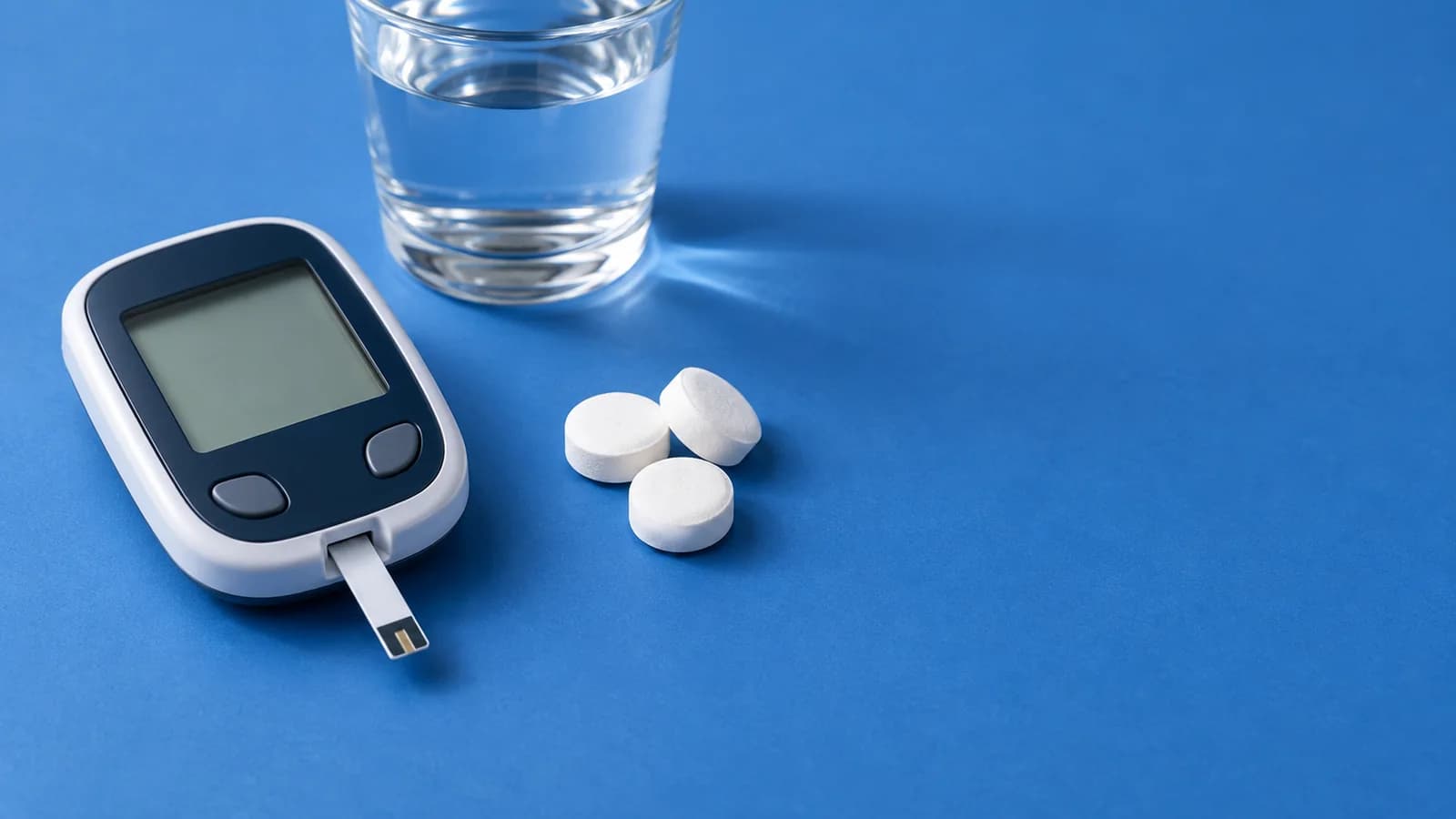
GLP-1 treatment after 65 requires attention to more than weight. Nutrition, muscle strength, falls, kidney function, other medicines, and help with medication management belong in the decision. The American Diabetes Association (ADA) recommends this individualized approach for older adults with diabetes; it is not a guarantee that every older adult is a suitable candidate.[3]
Safety and Potential Benefits After 65
Older adults have participated in GLP-1 trials, but safety findings differ by product and population. For example, the Wegovy (semaglutide) label reports more hip and pelvis fractures among participants aged 75 and older receiving Wegovy injection than placebo in its cardiovascular outcomes trial. Avoid interpreting “studied in seniors” as “equally safe for everyone.”[4]
Heart protection. In the SELECT clinical trial, Wegovy injection reduced major cardiovascular events compared with placebo in adults with established cardiovascular disease and overweight or obesity. This is a finding for that drug and population, not proof that all GLP-1 medicines prevent heart attacks in all seniors.[4]
Blood sugar and kidney-related goals. For older adults with type 2 diabetes, ADA recommends considering treatments with demonstrated cardiovascular or kidney benefits when appropriate. Medication choice depends on the diagnosis and the evidence for the specific drug. Low blood sugar remains a concern, particularly when insulin or a sulfonylurea is also used.[3][4]
What's Different After 65
Appetite and Digestive Side Effects
Nausea, vomiting, diarrhea, and constipation are listed adverse effects of Wegovy. Reduced food intake can become a problem when an older adult already struggles to eat enough. Report persistent symptoms rather than assuming they are an unavoidable part of aging.[3][4]
Muscle Loss and Frailty
Muscle loss is not inevitable for every GLP-1 user. However, inadequate nutrition and existing sarcopenia or frailty deserve attention. ADA emphasizes adequate protein and physical activity adapted to the person's abilities, with functional status rather than weight loss alone as the priority for frail older adults.[3]
Discuss changes in walking, getting out of a chair, falls, or ability to manage daily tasks with the care team. A lower number on the scale is not the only measure of progress.[3]
Hydration and Kidney Function
Vomiting and diarrhea can cause dehydration and acute kidney injury. Wegovy labeling advises kidney-function monitoring when adverse effects could cause fluid depletion, particularly during treatment initiation or escalation.[4]
Ask for an individual fluid plan. Do not use a universal “80+ ounces daily” goal, especially if you have heart failure, kidney disease, or an existing fluid restriction. Ask your clinician how much to drink and when to call during illness. Do not add electrolyte powders, potassium, or magnesium supplements without checking whether they fit your medical and medication plan.[6]
Ask whether kidney-function or electrolyte tests are needed and when to repeat them. There is no single testing interval in this guide for every GLP-1 user. Kidney disease also is not an automatic class-wide prohibition: for example, Foundayo (orforglipron) labeling does not require a dosage modification for renal impairment, but still warns about kidney injury from fluid depletion.[4][5]
Medication Review
Bring your doctor and pharmacist a complete list of prescriptions, over-the-counter medicines, and supplements. Useful review topics include:
- Insulin or sulfonylureas: Combining these with a GLP-1 can increase hypoglycemia risk. Ask for a low-blood-sugar recognition and response plan; only the prescriber should change doses.[3][4]
- Blood pressure medicines and diuretics: Report dizziness, falls, poor intake, or vomiting so the clinician can assess blood pressure, fluid status, and the whole medication regimen. Do not stop or reduce these medicines on your own.[3]
- Oral medicines that require monitoring: Wegovy delays gastric emptying and may affect oral drug absorption. Its tablet formulation increased levothyroxine exposure in a drug-interaction study. Ask the pharmacist to check your exact product and timing requirements; there is no general rule to separate levothyroxine from a GLP-1 injection.[4]
- Other interactions: Foundayo has specific interactions involving CYP3A4 inhibitors and inducers. A pharmacist should check the actual medication list rather than applying one interaction rule to all GLP-1 drugs.[5]
Bone Health
Discuss fracture history, osteoporosis care, nutrition, and safe activity with your clinician. The fracture finding in older Wegovy trial participants makes this a relevant review topic, but does not establish the same risk for every GLP-1 product.[3][4]
Injection Challenges
Arthritis, tremor, or vision problems can affect medication self-management. Ask a pharmacist or nurse to demonstrate the exact prescribed device and watch you or your caregiver use it. Do not assume different pens operate the same way.[3][4]
Practical preparation:
- Ask whether the device is suitable for your vision and hand strength.
- Have a family member or caregiver learn to help if needed.
- Keep the manufacturer's instructions with the medication record.
Memory and Medication Management
Memory problems can make a complex regimen difficult to follow. ADA recommends matching the plan to the person's self-management abilities and involving appropriate support when cognition is impaired.[3]
Practical reminders:
- Use a shared dosing calendar and record a dose after it is taken.
- Set phone reminders if they help.
- Identify who is responsible for each dose when more than one caregiver helps.
- Keep the medication record easy to find, but store the medicine according to its product instructions—not simply in a visible location.
- If a dose may have been missed or repeated, contact the pharmacist or prescriber rather than guessing.
Dosing Discussions With Your Prescriber
This guide does not provide a titration schedule. Ask how side effects, nutrition, kidney function, and the treatment goal will be assessed before any dose change. Your prescriber determines your actual dose; do not adjust it without consulting them.[3][4][5]
Nutrition Tips for Seniors on GLP-1s
Protein and Regular Meals
ADA recommends adequate protein and individualized nutrition for older adults with diabetes, particularly when muscle loss or malnutrition is a concern. Ask a registered dietitian or clinician to set a target that accounts for kidney disease and other dietary restrictions rather than using a universal grams-per-pound rule.[3][6]
Practical meal ideas to discuss include eggs or yogurt at breakfast, beans or fish at lunch, and tofu or lean meat at dinner. Smaller meals may be easier to tolerate when appetite is low. If you regularly cannot eat enough, tell the care team instead of relying on supplements alone.
Nutrient-Dense Foods and Fluids
Ask for a realistic plan for protein foods, fruits and vegetables, whole grains, and other foods you tolerate. Keep reminders for meals and for fluids within your clinician's recommended amount. Tell the team if shopping, cooking, dental problems, cost, or swallowing difficulties are limiting intake.[3]
Exercise for Seniors on GLP-1s
ADA recommends aerobic activity, weight-bearing exercise, and resistance training as tolerated for older adults with diabetes who can safely participate. The plan should account for frailty and physical ability.[3]
Discuss walking, resistance bands, supported chair exercises, or a physical-therapy referral with your clinician. If you have fallen, feel unsteady, or become dizzy on standing, ask for an assessment before attempting unsupervised balance exercises. Maintaining strength and independence matters alongside any weight-management goal.[3]
Medicare Coverage for GLP-1s
As checked September 13, 2026: The Medicare GLP-1 Bridge operates outside the Part D benefit, from July 1, 2026 through December 31, 2027. Eligible beneficiaries pay $50 per monthly supply. This is not automatic or universal Part D coverage for weight loss.[1][2]
Who May Qualify
Enrollment in an eligible Part D plan, age 18 or older, a weight-management prescription with ongoing lifestyle modification, and specific clinical criteria are required. CMS uses BMI at the start of GLP-1 therapy, including treatment begun before the program. Its thresholds are BMI ≥35; BMI ≥30 with specified heart failure, uncontrolled hypertension, or kidney disease criteria; or BMI ≥27 with prediabetes, previous heart attack, previous stroke, or symptomatic peripheral artery disease. A general “BMI 27 plus any weight-related condition” rule is incorrect.[1]
People with both Medicare and Medicaid may qualify. CMS instead directs people with specified Part D-covered diagnoses, including type 2 diabetes, to the Part D route. Review the exact criteria and exclusions in our Medicare GLP-1 Bridge guide.[1]
Covered Products and Access
CMS lists Wegovy injections and tablets, Foundayo, and Zepbound (tirzepatide) KwikPen only. Foundayo is orforglipron, not cagrilintide/semaglutide.[1][5]
The prescriber sends the prescription, the pharmacy submits the Bridge claim first, and then the prescriber completes the requested prior authorization. A prescription alone does not activate coverage. Part D plans do not need to opt in.[1]
The $50 does not count toward Part D out-of-pocket costs, Extra Help does not reduce it, and coupons or discount programs cannot be applied to Bridge claims. If it is unaffordable, discuss options with the care team rather than assuming a savings card will work.[2]
For the practical checklist, see Medicare GLP-1 coverage at $50.
Warning Signs to Watch For
Seek urgent medical care for severe or persistent abdominal pain, especially if it radiates to the back, or symptoms of a serious allergic reaction such as trouble breathing or swelling of the face or throat. These are medication-label warnings, not symptoms to manage with food or supplements.[4][5]
Contact your care team promptly for ongoing vomiting or diarrhea, inability to keep fluids down, much less urination, persistent dizziness, new confusion, marked weakness, or falls. Severe confusion, fainting, or inability to respond requires emergency help rather than waiting for a routine appointment.[3][4]
Also report unintended or excessive weight loss, routinely missed meals, or declining ability to perform daily activities. Ask for a specific sick-day and low-blood-sugar plan if you use insulin or a sulfonylurea.[3]
When Treatment Needs Reconsideration
Frailty, malnutrition, unexplained weight loss, and difficulty safely managing medicines call for an individualized assessment—not an automatic dose increase. Weight loss may not be the right goal for a frail older adult.[3]
Contraindications and cautions differ by drug. For example, Wegovy and Foundayo are contraindicated with a personal or family history of medullary thyroid carcinoma or multiple endocrine neoplasia syndrome type 2 (MEN2), or a prior serious allergic reaction to the respective medicine. Their labels do not recommend use with severe gastroparesis. Tell the prescriber about pancreatitis, gallbladder disease, eye disease, and planned anesthesia or deep sedation as well.[4][5]
Caregiver Tips
If you're caring for someone on GLP-1s:
- Help them track meals and make sure they're eating enough
- Watch for signs of dehydration or malnutrition
- Encourage gentle movement and exercise
- Help them keep track of medication schedules
- Go to doctor appointments with them when possible
- Discuss smaller, more frequent meals if large meals are difficult; report persistent poor intake
Agree on this support plan with the person receiving treatment. ADA emphasizes caregiver involvement tailored to the person's abilities and preferences.[3]
Bottom Line
Age alone does not settle whether GLP-1 treatment is appropriate. The specific drug, diagnosis, frailty, nutrition, medication burden, and ability to manage treatment matter.[3]
Your appointment checklist:
- Bring a complete medication and supplement list.
- Ask about nutrition, strength, falls, and the intended treatment goal.
- Confirm an individualized fluid plan and any needed monitoring.
- Agree on whom to call for side effects or dosing uncertainty.
- Involve family or caregivers with your permission.
- Verify the actual coverage route before paying for a prescription.
This article is for informational purposes only and does not replace medical advice. Always talk to your healthcare provider before starting any medication, especially if you're over 65 or taking multiple medications.
Sources
- [1] cms.gov
- [2] cms.gov
- [3] pmc.ncbi.nlm.nih.gov
- [4] novo-pi.com
- [5] pi.lilly.com
- [6] niddk.nih.gov