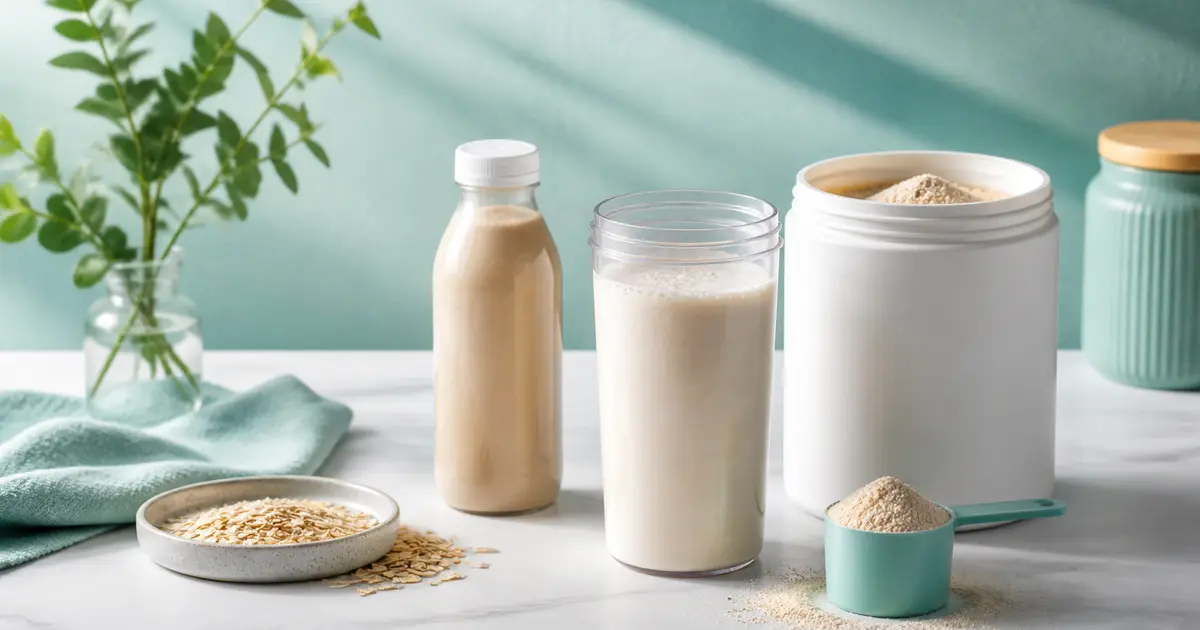
Protein powder and ready-to-drink shakes are optional ways to add protein when reduced appetite, nausea, time, or food preparation makes a regular meal difficult. They are not required for GLP-1 treatment, and a high protein number does not make a product a complete meal.
The joint GLP-1 nutrition advisory from four medical and nutrition organizations emphasizes an individualized, nutrient-dense eating pattern. It notes that smoothies and protein drinks can provide nutrients when heavier foods are less appealing, while also stressing dietary variety, adequate fluids, and support from a registered dietitian nutritionist when needed.
This guide does not rank brands. It explains how to compare the exact products available to you.
Recommended on Amazon
As an Amazon Associate I earn from qualifying purchases.
Premier Protein Shakes (Ready-to-Drink)
More optionsReady-to-drink protein can be clutch on low-appetite days when cooking sounds impossible.
Affiliate note: links may earn a commission at no extra cost to you.
Start with the role the product needs to fill
A label makes more sense when the intended use is clear:
- Occasional protein backup: A powder or shake may fill a gap on a low-appetite day.
- Snack or meal component: Protein can be paired with another tolerated food that adds carbohydrate, fat, fiber, or micronutrients.
- Portable option: A ready-to-drink bottle may be useful when refrigeration, mixing, or cooking is impractical.
- Planned meal replacement: A protein shake is not automatically designed for this purpose. Frequent meal replacement deserves a review of total calories, fiber, vitamins, minerals, and the rest of the day's intake with a clinician or registered dietitian.
Whole-food options such as yogurt, eggs, fish, poultry, tofu, beans, lentils, cottage cheese, or soy foods can also provide protein. The practical choice is the one that fits the person's nutrition plan, allergies, symptoms, budget, and ability to eat it consistently.
Read the label in this order
1. Confirm the exact serving
Start with serving size and servings per container. A scoop, bottle, carton, or packet may contain one or more labeled servings.
The FDA Nutrition Facts guide explains that serving size reflects the amount people typically consume; it is not a recommendation for how much a particular person should consume. All nutrient amounts on the panel apply to that labeled serving.
If you plan to use half a bottle or half a scoop because fullness is an issue, account for half of every listed nutrient, not just half of the protein.
2. Put protein grams in context
Compare protein per serving with an individualized daily plan and with the protein already coming from food. More protein per serving is not automatically better if the portion is too large to finish or conflicts with a prescribed protein limit.
Protein needs vary with age, body size, activity, health conditions, total energy intake, and treatment goals. People with kidney disease, reduced kidney function, or a prescribed protein restriction should ask their clinician or registered dietitian before adding a concentrated protein product.
3. Review the whole Nutrition Facts panel
Protein is only one line. Also check:
- calories per serving
- total carbohydrate and added sugar
- dietary fiber
- saturated fat
- sodium and potassium when these are relevant to a care plan
- vitamins and minerals
- servings per container
A product with substantial protein may still have little fiber or limited dietary variety. Decide whether it is a protein option, a snack, or part of a meal rather than assuming the front-of-package wording answers that question.
4. Read the ingredient and allergen statements
Check for milk, soy, egg, wheat, peanuts, tree nuts, or other allergens that matter to you. Milk allergy is not the same as lactose intolerance: a product made from milk proteins can remain inappropriate for someone with a milk allergy even when it is described as low in lactose.
Ingredient-list length is not a reliable score for quality. Ingredients such as emulsifiers, gums, flavors, vitamins, and sweeteners have different functions. Review the specific ingredients you need to avoid instead of treating “short,” “natural,” “pure,” or “clean” as defined nutrition standards.
5. Check sweeteners without using a blanket rule
Protein products may use added sugar, stevia-derived sweeteners, monk fruit, sucralose, acesulfame potassium, aspartame, or sugar alcohols. Taste and digestive tolerance vary.
There is no evidence-based reason for every GLP-1 user to avoid aspartame. The FDA's sweetener review says FDA-authorized sweeteners are safe for the general population under their approved conditions of use. People with phenylketonuria need to avoid or restrict aspartame because it contains phenylalanine.
Sugar alcohols can contribute to GI symptoms for some people. If a product seems to worsen bloating, cramping, or diarrhea, compare the portion and full ingredient list rather than assuming all non-sugar sweeteners have the same effect.
6. Look for extras that change the product
Some shakes and powders include caffeine, fiber, electrolyte minerals, herbs, creatine, or vitamin blends. These additions are not automatically useful and can affect tolerance or fit with medications and medical conditions.
The NIH Office of Dietary Supplements notes that research often evaluates individual ingredients rather than the multi-ingredient combinations sold in supplements. A proprietary blend or a long list of added ingredients does not establish that the finished product improves outcomes.
Check caffeine on the exact flavor, not only the brand name. Ask a pharmacist to review products with multiple active ingredients when you take prescription medicines.
Compare protein sources without ranking them
Whey and casein
Whey and casein are milk proteins. Products may use whey concentrate, whey isolate, casein, milk protein concentrate, or a blend.
Whey isolate is generally processed to contain a higher proportion of protein and less lactose than whey concentrate, but the exact composition varies by product. Neither format is automatically the right choice for everyone. Both come from milk and can be unsuitable for a milk allergy.
Casein does not become “less useful” because it digests differently from whey. A product containing casein can still contribute protein. The relevant questions are whether the serving fits the nutrition plan and whether the person tolerates the ingredients and portion.
Soy, pea, rice, hemp, and plant blends
Plant-based products can suit vegan diets and people avoiding milk ingredients. Their protein amount, amino acid profile, texture, sweeteners, allergens, and added nutrients vary widely. Soy is also a major allergen.
Do not assume every plant product is incomplete or every blend is nutritionally equivalent. Compare the exact panel and consider the variety of protein foods eaten across the day.
Ready-to-drink shakes versus powders
Ready-to-drink shakes offer a fixed portion and require no mixing. Powders may make it easier to adjust liquid volume and serving size. Neither format is inherently more effective.
Ready-to-drink products can differ by flavor and package size even within one brand. For a worked example, see our Premier Protein shake label review. That page reviews the exact 14 fl oz Vanilla SKU, not every Premier Protein product, and links to the manufacturer's label for that product.
Get GLP-1 tips in your inbox
Best Protein Powders for Low Appetite
When eating feels impossible, these protein powders help you hit daily targets with minimal volume.
| Product | Key Features | Price | Best For | |
|---|---|---|---|---|
Whey IsolateTop Pick | Fast-absorbing, high protein per scoop, low lactose | $25–$45 | Best all-around protein source | Check Price |
Collagen Peptides | Dissolves in hot/cold, tasteless, joint support | $20–$35 | Mixing into coffee or smoothies | Check Price |
Orgain Protein (RTD) | Plant-based, ready-to-drink, no mixing needed | $25–$30 | Plant-based & zero prep | Check Price |
Whey Isolate
Top PickFast-absorbing, high protein per scoop, low lactose
Collagen Peptides
Dissolves in hot/cold, tasteless, joint support
Orgain Protein (RTD)
Plant-based, ready-to-drink, no mixing needed
Affiliate note: links may earn a commission at no extra cost to you. Prices reflect typical ranges and may vary.
More helpful picks
As an Amazon Associate I earn from qualifying purchases.
Fairlife Protein Shake (Ready-to-Drink)
More optionsAnother popular RTD protein option — easy calories + protein without much volume.
Affiliate note: links may earn a commission at no extra cost to you.
GI tolerance and portion size
GLP-1 medications can be associated with nausea, fullness, constipation, diarrhea, and other GI symptoms. A shake may feel easier than solid food for one person and uncomfortable for another.
A tolerance-first approach can include:
- trying a smaller portion instead of forcing the full labeled serving
- drinking slowly and stopping when fullness or nausea increases
- comparing dairy and non-dairy options when milk ingredients appear to be a problem
- comparing sweetened and unsweetened options when sweetness or a particular ingredient is difficult
- using a thinner consistency or less total volume if that is easier to tolerate
- changing one variable at a time so the result is easier to interpret
Do not treat ongoing vomiting, inability to keep fluids down, worsening abdominal pain, or persistent inability to eat as a product-selection problem. Contact the prescriber or seek prompt medical care as appropriate.
Using powder with food
Protein powder can be mixed into foods, but the result depends on the recipe and the product:
- Yogurt or oatmeal: Start with a small amount because powder can make the texture thick.
- Smoothies: Fruit, yogurt, milk, soy milk, nut butter, or other ingredients can add energy and nutrient variety. The final nutrition comes from the full recipe.
- Soups: Soup is not generally protein-free. Soups containing beans, lentils, meat, fish, tofu, dairy, or grains may already provide protein. If adding unflavored powder, check whether it is designed for that use and stir carefully to reduce clumping.
- Batters or baked foods: Heat and recipe changes can affect texture. Follow product or recipe guidance rather than assuming every powder substitutes the same way.
If swallowing is difficult, do not solve it by making food or drinks thicker without clinical advice. New or worsening swallowing problems need assessment.
Protein, fluids, and electrolytes are separate decisions
Adding protein powder to an electrolyte drink does not “solve hydration.” Protein, fluid, sodium, potassium, and carbohydrate each serve different purposes, and a combined drink may be too concentrated or poorly tolerated.
The joint advisory encourages adequate fluids, but individual needs differ. Vomiting, diarrhea, hot-weather activity, prescribed fluid limits, kidney disease, and heart conditions can all change what is appropriate. Check the sodium, potassium, sugar, and serving directions on an electrolyte product and ask the care team when losses are ongoing or fluid intake is restricted.
Cost comparison without stale prices
Retail prices, subscriptions, package sizes, and promotions change, so this guide does not publish estimated price ranges.
For a current comparison:
- Confirm the exact product, flavor, and package size.
- Divide the current checkout price by the number of labeled servings.
- Compare the protein provided per labeled serving.
- Account for the portion you will realistically use.
- Compare ready-to-drink convenience with the added supplies and preparation required for powder.
A lower cost per gram of protein does not make a product nutritionally complete or easier to tolerate. A higher price does not establish greater purity, quality, or effectiveness.
When professional guidance matters
Discuss concentrated protein products with a clinician or registered dietitian if you have kidney disease, a prescribed protein or electrolyte restriction, a serious food allergy, significant digestive disease, or a history of inadequate nutrition.
Persistent low intake, weakness, loss of strength, repeated vomiting, inability to keep fluids down, or unintentional rapid weight loss warrants assessment. A supplement may be one part of a nutrition plan, but it does not replace evaluation of the reason intake is low.
Bottom line
Choose a protein powder or shake by its exact serving, full Nutrition Facts panel, ingredient list, allergen statement, added ingredients, cost, and personal tolerance. Whey, casein, soy, pea, and other sources can all contribute protein; no single type or brand is best for every GLP-1 user.
Use supplements for a defined role, not because marketing presents them as mandatory. When reduced intake is frequent or a medical condition affects protein needs, an individualized plan matters more than any front-label claim.
Frequently asked questions
Do people taking a GLP-1 medication need protein powder?
No. Protein powder and ready-to-drink shakes are optional formats. Whole foods can provide protein, while a supplement may be convenient when appetite, time, preparation, or portability makes food difficult.
Is whey isolate always better than whey concentrate?
No. Isolate and concentrate differ in processing and composition, but the right choice depends on the exact label, milk allergy, lactose tolerance, nutrition needs, taste, and cost.
Should GLP-1 users avoid aspartame in protein products?
Not as a blanket rule. FDA says approved sweeteners are safe for the general population under their authorized conditions of use. People with phenylketonuria need to avoid or restrict aspartame, and anyone may choose a different product for taste or tolerance.