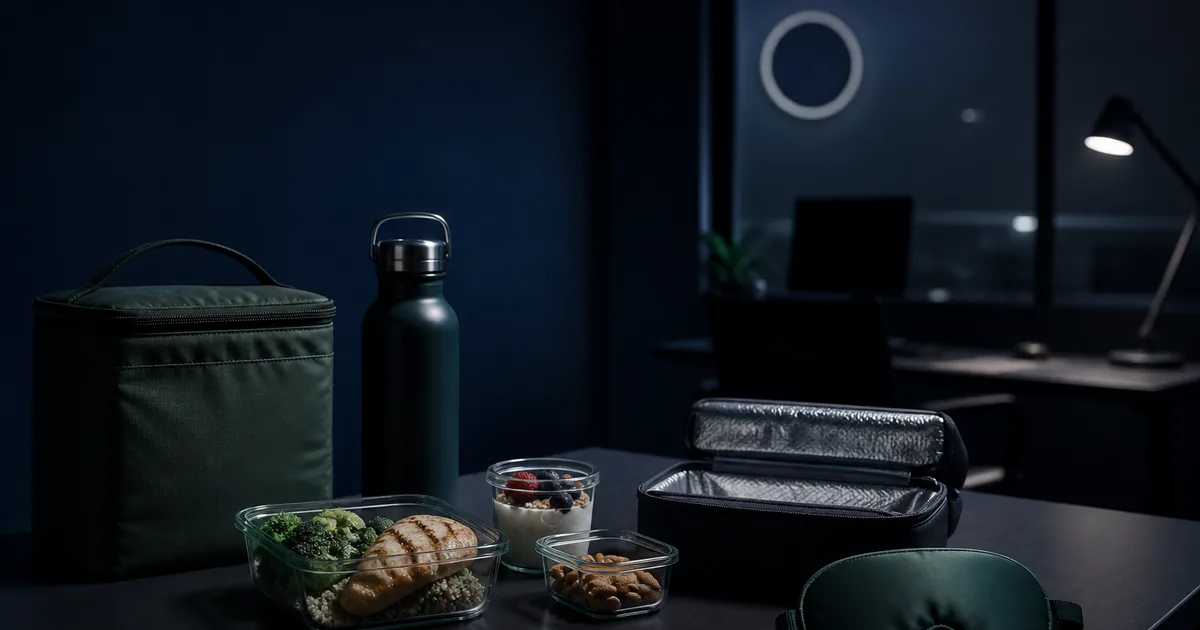
Night work adds practical problems to GLP-1 treatment: eating when appetite is low, sleeping during daylight, keeping medicine at the correct temperature, and deciding what to share at work. A written routine can reduce missed meals, lost sleep, and storage mistakes.
The first medication mention matters because products are not interchangeable. Wegovy (semaglutide) and Zepbound (tirzepatide) are weekly injections, but their devices and room-temperature storage limits differ. Other GLP-1 medicines may be daily injections or tablets. Follow the label and instructions for the exact product you received.
This guide does not provide personalized dose-timing changes. Wegovy and Zepbound may be injected at any time of day, but rules for changing the weekly dosing day and handling missed doses differ by product. Follow your exact label and ask a prescriber or pharmacist if timing is uncertain.
Build the Routine Around Wake Time and Shift Start
Calendar labels such as “breakfast” and “dinner” can become confusing when breakfast happens at 5 p.m. Use three anchors instead:
- After waking: Check symptoms, drink a tolerable amount, and eat if that is part of your plan.
- Before or early in the shift: Have the meal you are most likely to tolerate before workload and fatigue build.
- Before daytime sleep: Keep intake modest if a large meal worsens reflux, nausea, or fullness.
Add medication reminders to the same calendar used for work shifts, but keep the medication schedule separate from meal planning. A reminder can support adherence; the product label determines whether a proposed day change meets the required interval.
Meal Planning for a Smaller or Unpredictable Appetite
GLP-1 medicines can cause nausea, early fullness, vomiting, diarrhea, constipation, and abdominal discomfort. A night-shift cafeteria or vending machine may have few options that feel manageable during those symptoms.
Pack a flexible combination rather than one large meal:
- A small main meal with a protein food, a tolerated carbohydrate, and produce
- One or two smaller snacks for later in the shift
- A bland backup option for mild nausea
- Fluids you can sip without interfering with workplace safety rules
Examples include yogurt with fruit, eggs with toast, a small rice-and-chicken bowl, cottage cheese with crackers, soup, a half sandwich, or tofu with rice. Dietary needs vary. People with diabetes, kidney disease, gastroparesis symptoms, food allergies, or a prescribed nutrition plan need individualized guidance.
What a Small Simulated-Night-Work Study Found
A 19-person laboratory study of healthy young adults undergoing simulated night work found that daytime-only eating prevented the glucose intolerance seen when participants ate during both day and night. It did not test GLP-1 users, long-term outcomes, rotating schedules, physical jobs, or a “small overnight meal” strategy. The result does not establish one meal schedule for every shift worker, but it can support a discussion with a clinician or registered dietitian when glucose is difficult to manage.
If you must eat overnight, use the amount and timing that support safe work and fit your care plan. Do not skip needed food to follow a study result, especially if you use insulin or a sulfonylurea, perform physical labor, or have a history of low blood sugar.
Reduce Predictable Symptom Triggers
Track which foods and portions precede nausea, reflux, diarrhea, or uncomfortable fullness. Commonly reported trouble spots include very large portions and high-fat meals, but tolerance is individual. Change one factor at a time so the log remains useful.
Contact your prescriber if you regularly cannot eat enough to work safely, symptoms wake you from sleep, or vomiting and diarrhea make hydration difficult. Do not change the dose yourself.
Protect Daytime Sleep
NIOSH notes that sleep after night work is usually shorter and less refreshing than sleep at night. The National Heart, Lung, and Blood Institute states that experts recommend seven to nine hours of sleep for adults. Some night workers use one main sleep period; others use a main period plus a planned nap.
Practical steps include:
- Keep the room dark, quiet, and comfortably cool.
- Use a consistent wind-down period after the commute.
- Silence nonessential alerts and coordinate quiet hours with household members.
- Keep caffeine to the earlier part of the shift if later use delays sleep.
- Avoid using alcohol as a sleep aid.
- Leave time between a larger meal and lying down if reflux or fullness is a problem.
Severe sleepiness is a workplace and driving safety issue. OSHA reports that long or irregular shifts can contribute to worker fatigue and increase injury risk. Do not drive or operate hazardous equipment when you cannot stay alert. Follow workplace fatigue procedures and arrange safe transportation when needed.
Persistent insomnia, loud snoring, witnessed breathing pauses, morning headaches, or sleepiness despite adequate time in bed deserves medical evaluation. Medication side effects are not the only possible cause.
Hydration During a Night Shift
Lower appetite, nausea, vomiting, diarrhea, protective equipment, restricted break access, and physical work can all reduce fluid intake. FDA labels for Wegovy and Zepbound warn about acute kidney injury due to volume depletion.
A practical approach is to drink at regular break points rather than trying to make up the full amount near the end of the shift. Keep an approved bottle nearby if workplace rules allow it. Increase attention to replacement during heat exposure or heavy physical work, but ask a clinician for a fluid target if you have heart failure, kidney disease, or a fluid restriction.
Signs that need attention include persistent dizziness, fainting, very dark urine, very little urination, repeated vomiting, confusion, or inability to keep fluids down. Stop hazardous work and seek appropriate medical help.
Low Blood Sugar at Work
The risk of hypoglycemia can increase when a GLP-1 medicine is used with insulin or an insulin secretagogue such as a sulfonylurea. Physical labor and irregular food intake can add variability.
Ask the clinician managing your diabetes for a written plan that covers glucose checks, treatment supplies, meal breaks, and when to stop work. Keep permitted fast-acting glucose within reach. Sweating, shaking, confusion, weakness, dizziness, and a fast heartbeat can be warning signs. Follow your prescribed treatment plan rather than making an unsupervised medication adjustment.
A worker whose medical condition qualifies under applicable law may consider requesting an accommodation for breaks, glucose monitoring, food, or supplies. Whether a particular arrangement is reasonable depends on the individual, essential job functions, employer, and applicable law.
Store the Medicine Safely
Start with the pharmacy label and current prescribing information. Storage rules vary by product, device, and whether a multi-dose container has been opened.
Current FDA instructions state:
- Wegovy injection pens: Refrigerate at 36°F to 46°F (2°C to 8°C). If needed, an unused pen may remain in its original carton at 46°F to 86°F (8°C to 30°C) for up to 28 days. Do not freeze, and protect it from light.
- Zepbound single-dose pens or vials: Refrigerate at 36°F to 46°F (2°C to 8°C). They may be kept unrefrigerated at no more than 86°F (30°C) for up to 21 days; the label says not to return them to the refrigerator after room-temperature storage. Do not freeze, and protect them from light.
Zepbound multi-dose vials and KwikPens have additional opened-container instructions. Other GLP-1 products have different limits. Confirm the exact device instead of applying one brand’s rule to another.
A shared workplace refrigerator is suitable only when it maintains the required range and the medicine can be secured. Keep the product in its original carton, away from freezing surfaces, food spills, and unauthorized access. Lockers, windowsills, and parked vehicles may exceed label temperatures.
If a pen freezes, overheats, loses its label, or remains outside refrigeration longer than allowed, do not guess whether it is usable. Call the pharmacist or manufacturer using the number in the official instructions.
If you inject at work, use a private clean area and an FDA-cleared sharps container or a container permitted by local rules. Never leave a used needle or pen in ordinary workplace trash.
Workplace Privacy and Accommodations
Employees should not assume they must disclose a medication during ordinary work, but disclosure or medical documentation may be required in some accommodation, leave, fitness-for-duty, or regulated safety contexts. If you request a formal disability accommodation, HR or the designated contact may need medical information relevant to the request.
EEOC guidance states that medical information obtained through a disability-related inquiry or medical examination, as well as medical information voluntarily disclosed by an employee, must generally be treated as a confidential medical record under the Americans with Disabilities Act, with limited permitted disclosures. That does not mean every worker, employer, or request is covered in the same way. Job duties, employer size, location, union agreements, and other laws can affect the process.
Share the minimum information needed through the proper channel. Avoid storing a labeled pen where coworkers can access it. For job-specific advice, contact HR, a union representative, the Job Accommodation Network, or a qualified employment attorney.
When to Contact the Prescriber
Contact your prescriber or pharmacist when:
- A new or rotating shift makes the prescribed schedule difficult to follow
- You missed a dose or are uncertain whether a proposed injection-day change meets the exact label
- Side effects repeatedly interfere with eating, drinking, sleeping, commuting, or safe work
- You have recurrent low blood sugar or large glucose changes
- The medicine may have frozen, overheated, or exceeded its storage limit
- You are planning pregnancy, become pregnant, or start another medicine
- You develop ongoing severe gastrointestinal symptoms
Seek urgent medical care for severe or persistent abdominal pain, especially with vomiting or pain radiating to the back; a serious allergic reaction; fainting; confusion; chest pain; severe shortness of breath; or inability to keep fluids down. Follow emergency procedures for severe hypoglycemia.
The Bottom Line
Night-shift workers can make GLP-1 treatment more manageable by anchoring meals to wake and work periods, protecting daytime sleep, drinking at regular breaks, checking product-specific storage instructions, and considering workplace disclosure in context. Follow the exact product label for time-of-day flexibility, day changes, and missed doses, and ask a prescriber or pharmacist when the schedule is uncertain.
This article is for informational purposes and does not replace medical, nutrition, legal, or workplace-safety advice.
Frequently Asked Questions
Should I change my GLP-1 injection time when I start night shift?
Wegovy and Zepbound may be injected at any time of day, but their rules for changing the weekly dosing day and handling missed doses differ. Follow the instructions for your exact product and ask a prescriber or pharmacist if timing is uncertain.
What should night-shift workers eat while taking a GLP-1 medication?
Plan small, familiar meals or snacks that fit your appetite and clinical nutrition needs. Include protein and fiber when tolerated, limit foods that reliably worsen symptoms, and avoid forcing a large meal during the shift.
Can I keep my GLP-1 pen in the workplace refrigerator?
Only if the refrigerator stays within the temperature range on your product label and the medicine can remain secure, in its original carton, away from freezing surfaces and light. Product and device storage limits differ, so confirm your exact label.
Do I have to tell my employer that I take a GLP-1 medication?
Many workers do not need to name a medication during ordinary work. Disclosure may be relevant when requesting an accommodation or when a job has specific safety or medical rules. Employment law and workplace policies vary, so use HR, a union representative, or qualified legal guidance for your situation.
When should a night-shift worker contact a prescriber?
Contact your prescriber when nausea, vomiting, diarrhea, low blood sugar, poor intake, or sleep disruption repeatedly affects safe work; when medication was stored outside label conditions; or before changing the prescribed dose schedule.
Sources
- CDC/NIOSH — Plain Language About Shiftwork
- National Heart, Lung, and Blood Institute — How Much Sleep Is Enough?
- Occupational Safety and Health Administration — Long Work Hours, Extended or Irregular Shifts, and Worker Fatigue
- PubMed — Daytime Eating Prevents Internal Circadian Misalignment and Glucose Intolerance in Night Work
- FDA — Wegovy (semaglutide) Prescribing Information
- FDA — Zepbound (tirzepatide) Prescribing Information
- U.S. Equal Employment Opportunity Commission — ADA Guidance on Employee Medical Information


