Quick Answer
GLP-1 medications are being studied as a treatment option for fatty liver disease (MASLD). Clinical trials show semaglutide achieves resolution of liver inflammation in 59% of patients compared to 17% with placebo. These medications may help by reducing liver fat, improving blood sugar control, decreasing inflammation, and possibly affecting liver cells directly.
Key Points
- Fatty liver disease (MASLD/MASH) affects 1 in 3 adults - Most don't know they have it
- GLP-1s reduce liver fat - Significant reduction in liver fat content
- Improves liver enzymes - ALT and AST levels improve with treatment
- Multiple mechanisms - Weight loss, blood sugar control, reduced inflammation, direct liver benefits
- Survodutide shows 63% liver fat reduction - Phase 3 SYNCHRONIZE-MASLD data adds to the MASH evidence base (SYNCHRONIZE-MASLD, 2026)
- ADA 2026 updated guidelines - liver disease drew more attention at ADA 2026, with researchers discussing screening and treatment pathways for MASLD/MASH in patients with diabetes or obesity
- Best-studied in early-stage disease - Most published data comes from patients before significant scarring developed
- Lifestyle still matters — consider tracking with a food journal - Medication works best combined with healthy habits
Statistics
- 1 in 3 adults have fatty liver disease in the US (American Liver Foundation, 2025)
- 59% resolution rate for liver inflammation with semaglutide vs 17% placebo (NEJM, 2025)
- 50%+ reduction in liver fat content with GLP-1 treatment (Journal of Hepatology, 2025)
- 3-5% weight loss needed to see liver fat reduction (American Association for Liver Diseases, 2025)
- 63% liver fat reduction with survodutide in SYNCHRONIZE-MASLD Phase 3 trial (2026)
- 34% visceral fat reduction with survodutide vs placebo (SYNCHRONIZE-MASLD, 2026)
- 28% weight loss with retatrutide at 80 weeks (TRIUMPH-1, 2026)
- 10% weight loss produces measurable liver histology improvement (Look AHEAD)
What Is Fatty Liver Disease?
Fatty liver disease happens when fat builds up in your liver. It used to be called NAFLD (non-alcoholic fatty liver disease). The new name is MASLD (metabolic dysfunction-associated steatotic liver disease).
Most people have no symptoms. But over time, fatty liver can lead to:
- Liver inflammation
- Scarring (cirrhosis)
- Liver failure
- Liver cancer
It's closely linked to obesity, type 2 diabetes, and high cholesterol — the same conditions that GLP-1s treat.
What the Research Shows
Semaglutide (Ozempic, Wegovy)
A clinical trial specifically looking at semaglutide for fatty liver disease found:
- 59% of patients on semaglutide had resolution of fatty liver inflammation, compared to 17% on placebo
- The medication reduced liver fat significantly
- Higher doses appeared to work better
Tirzepatide (Mounjaro, Zepbound)
Early studies show:
- Significant reduction in liver fat
- Improvement in liver enzymes (ALT, AST)
- Some patients showed resolution of fatty liver disease markers
Survodutide (SYNCHRONIZE-MASLD, 2026)
Survodutide is a dual GIP/glucagon receptor agonist studied specifically for MASH (metabolic dysfunction-associated steatohepatitis — the inflammatory form of fatty liver disease). Phase 3 SYNCHRONIZE-MASLD data presented at ADA 2026 showed:
- 63% reduction in liver fat content vs placebo
- 34% reduction in visceral fat
- Significant improvement in liver fibrosis scores
- Strong MASH resolution rates at 48 weeks
These results add to the growing body of liver-specific data for metabolic drugs. See our full breakdown: GLP-1 and MASH: What the Survodutide Data Means for Fatty Liver
Retatrutide (TRIUMPH-1, 2026)
Retatrutide is a triple agonist (GIP, GLP-1, and glucagon) from Eli Lilly, currently in Phase 3 trials. While dedicated liver-specific outcome data from retatrutide is not yet published, the TRIUMPH-1 program has reported data with strong implications for fatty liver disease:
- 28% average weight loss at 80 weeks in people with BMI >40 (CNBC, June 2026)
- At this magnitude of weight loss, significant liver fat reduction is expected — the landmark Look AHEAD trial showed that 10% weight loss produces measurable liver histology improvement
- Retatrutide's triple agonist mechanism is hypothesized by researchers to have potential direct liver benefits beyond weight loss, since glucagon receptor activation is thought to influence hepatic fat oxidation (mechanism inferred from preclinical data, not yet confirmed in dedicated liver outcome trials)
- The Phase 2 study (2024) showed retatrutide produced rapid, dose-dependent reductions in liver fat content measured by MRI-PDFF
- Dedicated MASH trials for retatrutide are expected to begin once Phase 3 weight loss data is complete
What this means for you: Retatrutide is not yet FDA-approved (expected 2027-2028). If you have MASLD/MASH and severe obesity, retatrutide's 28% average weight loss could produce liver fat reductions once approved, based on evidence that 10% weight loss improves liver histology. For now, survodutide has the most published dedicated MASH Phase 3 data among the metabolic drugs covered in this article.
Other GLP-1s
Liraglutide and dulaglutide have also shown benefits for liver health in smaller studies.
How GLP-1s Help the Liver
1. Weight loss: Excess fat in the body leads to excess fat in the liver. Losing weight reduces liver fat.
2. Better blood sugar control: High blood sugar contributes to fat buildup in the liver. GLP-1s improve blood sugar.
3. Reduced inflammation: GLP-1s reduce inflammation throughout the body, including the liver.
4. Possible direct effects: GLP-1 receptors exist in the liver. Researchers are still studying whether these medications have direct effects on liver cells beyond weight loss.
5. Improved cholesterol: GLP-1s improve lipid profiles, which reduces fat accumulation in the liver.
Who Benefits Most
- People with MASLD and type 2 diabetes: Most published MASLD outcome data comes from this group
- People with obesity and fatty liver: Weight loss alone helps, but GLP-1s add direct liver benefits
- People with early-stage liver disease: current evidence is most relevant for this group before significant scarring develops
What About Advanced Liver Disease?
If you have cirrhosis (advanced scarring), the evidence is less clear. GLP-1s are generally considered safe in compensated cirrhosis, but you should talk to your hepatologist (liver specialist) before starting.
Lifestyle Still Matters
GLP-1s help, but they're not a substitute for liver-healthy habits:
- Limit alcohol: Alcohol adds stress to an already fatty liver
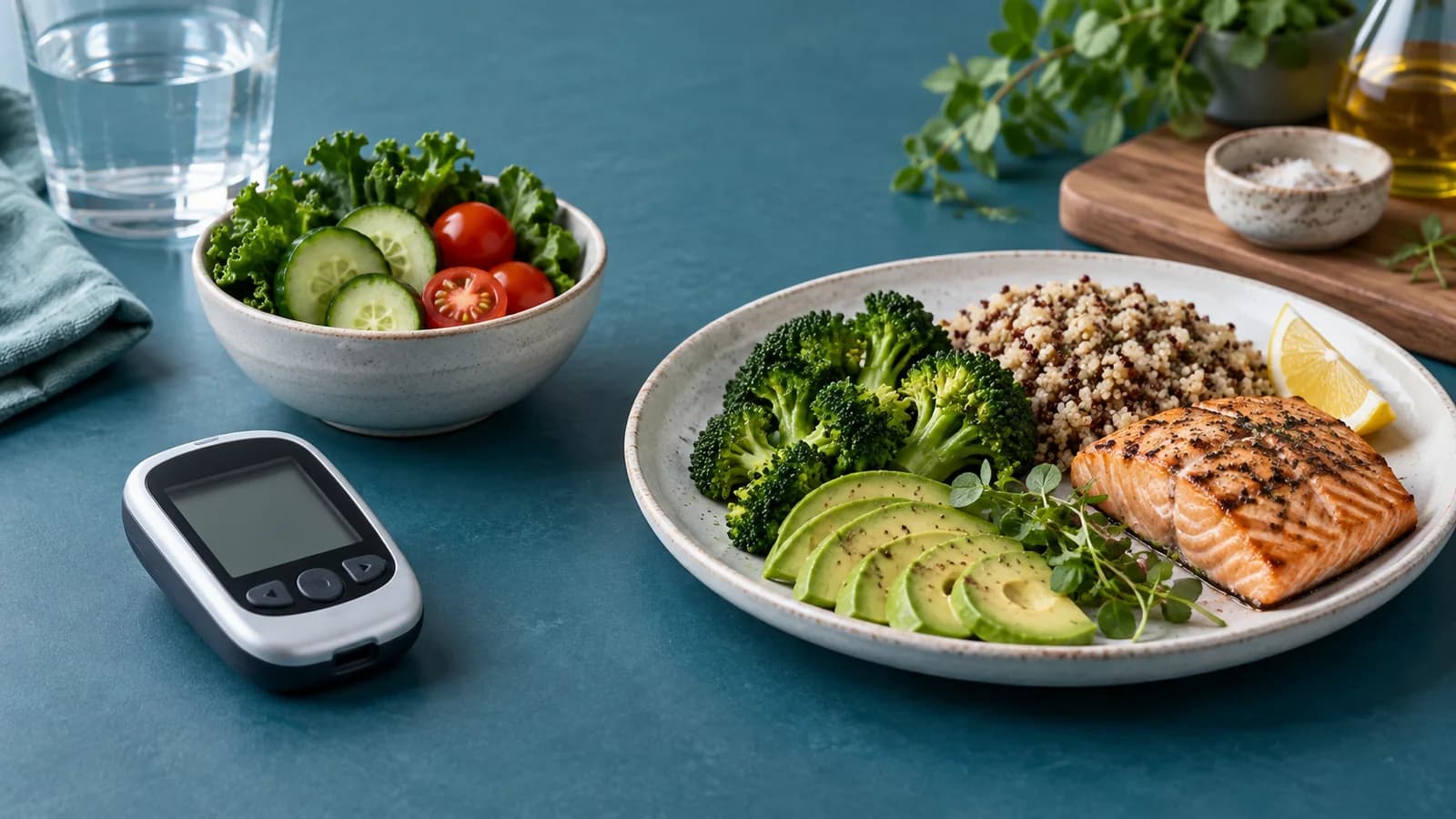
- Eat a balanced diet: Focus on whole foods, lean protein, vegetables
- Exercise regularly: Even without weight loss, exercise reduces liver fat
- Avoid unnecessary medications: Some OTC drugs (especially high-dose acetaminophen) stress the liver
When to See Your Doctor
- You've been told you have fatty liver disease and want to discuss treatment options
- Your liver enzymes are elevated on blood work
- You have diabetes or obesity and want to know if a GLP-1 could help your liver
- You have symptoms of liver disease (fatigue, abdominal pain, yellowing of skin or eyes)
ADA 2026: Liver Disease Takes Center Stage
At the American Diabetes Association 2026 Scientific Sessions, liver disease emerged as a central theme in metabolic medicine:
- **MASH received more attention in diabetes care discussions, with presenters framing it as an important metabolic complication to watch
- Survodutide SYNCHRONIZE-MASLD results added new Phase 3 evidence that metabolic drugs may improve MASH-related liver outcomes
- **Screening discussions expanded: ADA 2026 presentations highlighted tools such as FIB-4 and imaging when evaluating MASLD risk in people with type 2 diabetes or obesity
- Treatment algorithm expanded: GLP-1 receptor agonists and dual agonists were discussed by some presenters as a potential treatment option for MASLD/MASH in patients with diabetes or obesity
Bottom line from ADA 2026: If you have fatty liver disease and diabetes or obesity, it may be worth asking your doctor whether GLP-1-based therapy fits your overall treatment plan.
The Bottom Line
GLP-1 medications are one treatment area being studied for fatty liver disease. In clinical trials, they have reduced liver fat, improved liver enzymes, and in some cases led to resolution of liver inflammation.
Your action items:
- If you have fatty liver disease, ask your doctor about GLP-1s
- Get regular liver function blood work
- Combine GLP-1 treatment with healthy eating and exercise
- Limit alcohol
- Don't wait — fatty liver is easier to treat in its early stages
Fatty liver disease has been a problem with few solutions. GLP-1s may be changing that.
This article is for informational purposes only and does not replace medical advice. Always talk to your healthcare provider about liver health and medication choices.
Found this helpful? Share it with someone managing fatty liver disease who might benefit from a GLP-1.
Related Reading
- GLP-1 and MASH: What the Survodutide Data Means for Fatty Liver
- Survodutide: The Next GLP-1 Weight Loss Drug (What We Know)
- GLP-1 Weight Loss Plateau? Why the Scale Stops (And How to Restart)
- Stopping GLP-1: What Happens When You Quit
- Nausea Triggers & Management: What Sets It Off and How to Stop It