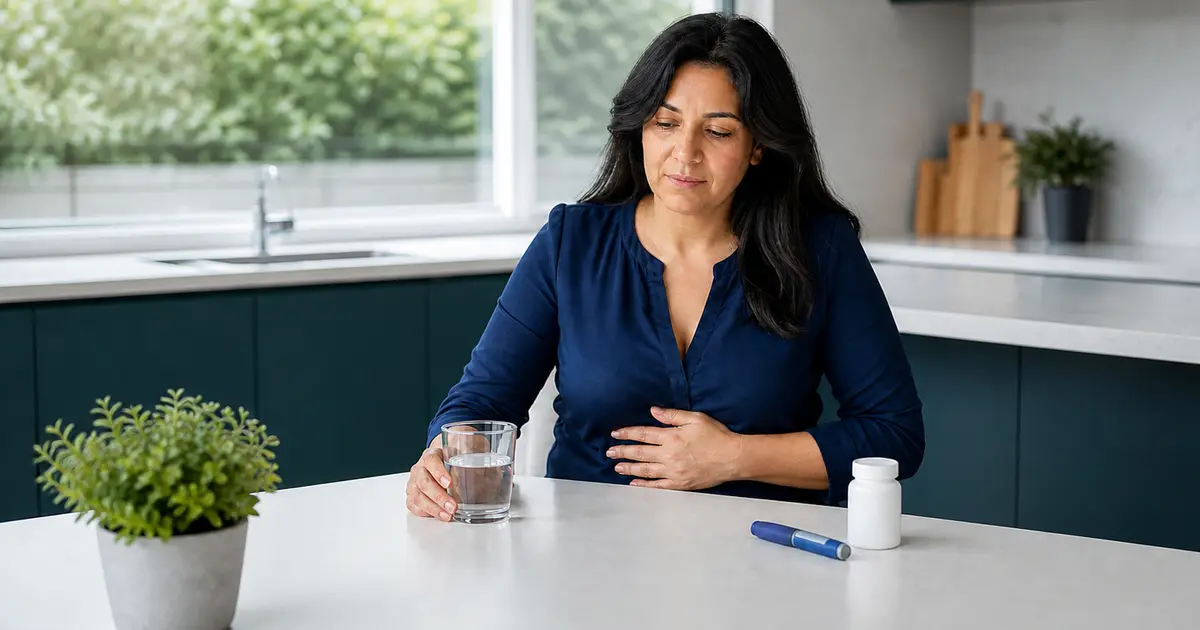
If you're taking a GLP-1 medication, you might notice something unexpected: your desire to smoke is lower.
This isn't just in your head. Researchers are investigating whether GLP-1s could help people quit smoking.
Here's what we know so far.
What People Are Reporting
Many GLP-1 users say:
- Cigarettes taste worse
- The urge to smoke is reduced
- They're able to cut back without trying
- The habitual "craving" feels quieter
This mirrors what some users report about alcohol — a reduced interest in the substance.
Why It Might Work
GLP-1 receptors exist in the brain's reward centers — the same areas involved in nicotine addiction. When GLP-1 medications activate these receptors, they may reduce the pleasure or craving response to nicotine.
Animal studies support this. Mice given GLP-1 drugs show reduced nicotine-seeking behavior.
What the Research Shows (So Far)
Early data is promising but preliminary:
- Small clinical trials are testing GLP-1s specifically for smoking cessation
- One pilot study found semaglutide reduced cigarettes smoked per day more than placebo
- No large definitive trial results yet
- GLP-1s are NOT FDA-approved for smoking cessation
This is an active area of research. More answers are coming.
If You're Trying to Quit Smoking
What This Means for You
If you're already on a GLP-1 for weight loss or diabetes, you might find quitting smoking easier. Some people report success without adding traditional smoking cessation aids.
But don't assume the GLP-1 alone will do it. Quitting smoking still requires intention and support.
Practical Strategies
1. Use the reduced craving to your advantage
- If cigarettes taste worse or cravings are quieter, that's a window to quit
- Pair this with a quit plan (set a date, prepare alternatives)
2. Don't rely solely on the medication
- Consider nicotine replacement (patches, gum) for the transition
Products that can help:
- Nicotine patches - gradual nicotine weaning
- Nicotine gum - for acute cravings
- Symptom tracker journal - track progress and triggers
- Counseling, support groups, or apps can help
- Talk to your doctor about prescription options (varenicline, bupropion)
3. Be prepared for withdrawal
- Nicotine withdrawal is real and uncomfortable
- GLP-1s may reduce cravings but won't eliminate withdrawal symptoms entirely
- Have coping strategies ready (distraction, deep breathing, exercise)
4. Avoid combining with vaping
- Some people switch from cigarettes to vaping while on GLP-1s
- Vaping still delivers nicotine and has health risks
- The goal is to quit nicotine entirely, not switch delivery methods
What to Discuss with Your Doctor
- Your plan to quit smoking
- Whether your GLP-1 dose needs adjustment during quitting (some people find nausea worse when quitting smoking)
- Interactions between GLP-1s and smoking cessation medications
- Monitoring for any unusual side effects
The Big Picture
GLP-1 medications are being studied for multiple "reward-seeking" behaviors:
- Alcohol use disorder (some evidence, early studies promising)
- Nicotine addiction (early data emerging)
- Binge eating (approved indication for some GLP-1s)
- Other addictive behaviors (research phase)
This suggests GLP-1s may have broader applications beyond metabolism.
When to See Your Doctor
- You want to quit smoking and want to discuss whether your GLP-1 might help
- You're experiencing unusual cravings or mood changes
- You need help with a quit plan
- You're considering using GLP-1s specifically for smoking cessation (not approved, but research ongoing)
The Bottom Line
Early evidence suggests GLP-1 medications may reduce nicotine cravings for some people. But they're not a proven smoking cessation tool — yet.
Your action items:
- If you're on a GLP-1 and want to quit smoking, use the reduced cravings as motivation
- Have a quit plan — don't rely on medication alone
- Consider nicotine replacement or prescription cessation aids
Products that can help:
- Nicotine patches - gradual nicotine weaning
- Nicotine gum - for acute cravings
- Symptom tracker journal - track progress and triggers
- Talk to your doctor about your goals
- Stay tuned for research results — this could be an exciting new use for GLP-1s
Quitting smoking is one of the best things you can do for your health. If GLP-1s give you an extra push, that's great. But use proven cessation methods too.
This article is for informational purposes only and does not replace medical advice. GLP-1 medications are not approved for smoking cessation. Always talk to your healthcare provider about quitting smoking and medication options.
Found this helpful? Share it with a smoker who's starting or considering a GLP-1.