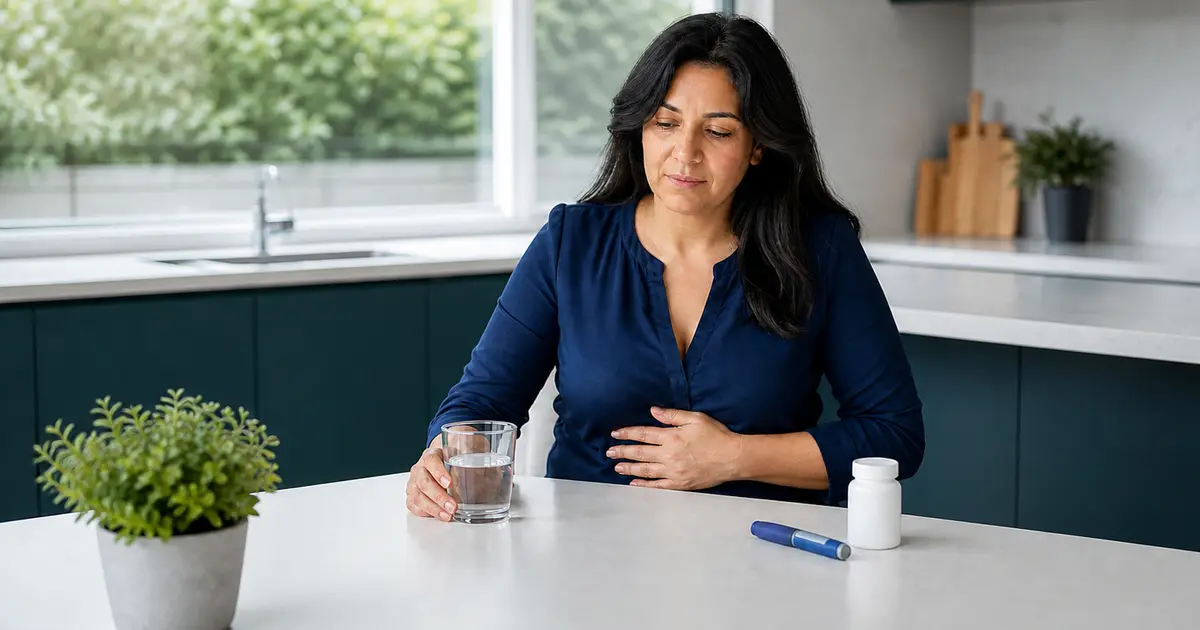
You started your GLP-1 medication. The weight is coming off. But you're cold. All the time.
Your hands are cold. Your feet are cold. You're wearing a sweater in a room where everyone else is fine.
You're not imagining it. Feeling cold on GLP-1s is one of the most commonly reported — and least discussed — side effects.
Why It Happens
1. Less Body Fat
Fat is insulation. When you lose fat, you lose insulation. This is the most obvious reason, and it's a big one.
2. Lower Calorie Intake
Food generates heat when your body digests it. This is called the thermic effect of food. When you eat less, your body produces less heat.
3. Slower Metabolism
When you lose weight, your metabolism slows down. A slower metabolism means less internal heat production.
4. Reduced Blood Flow to Extremities
Your body prioritizes keeping your core warm. When it needs to conserve heat, it reduces blood flow to your hands and feet. That's why they feel cold first.
5. Thyroid Changes
Rapid weight loss can temporarily affect thyroid hormone levels. Low thyroid function = feeling cold. This is usually temporary, but it's worth checking if the cold persists.
What Helps
1. Layer Up
This is the simplest fix. Wear layers you can add or remove as needed. Keep a cozy sweater or fleece jacket at your desk, in your car, and by your bed.
2. Eat Warm Foods
Hot soups, herbal teas, and cooked meals can help you feel warmer from the inside out. Cold foods (salads, smoothies) may make you feel colder.
3. Keep Moving
Physical activity generates heat. Even a short walk or some light stretching can warm you up.
4. Eat Enough Calories
If you're eating so little that you're constantly cold, you may need to increase your intake slightly. Talk to your doctor or a dietitian about finding the right balance.
5. Check Your Thyroid
If the cold is severe or accompanied by fatigue, hair loss, or weight gain, ask your doctor to check your thyroid function (TSH, free T3, free T4).
6. Stay Hydrated
Dehydration makes it harder for your body to regulate temperature. Drink enough water throughout the day. Electrolyte powder can help with hydration.
When It's Normal
Feeling slightly cooler than usual is expected when you're losing weight. Most people notice it within the first few months and it gradually improves as their body adjusts.
When to See Your Doctor
- You're so cold that it interferes with daily life or sleep
- You're also experiencing extreme fatigue, hair loss, or unexplained weight gain
- Your hands or feet turn white or blue in the cold (could be Raynaud's phenomenon)
- The cold doesn't improve after 3-6 months
- You have a history of thyroid problems
The Bottom Line
Feeling cold on GLP-1s is common and usually harmless. It's a natural result of losing fat, eating less, and having a slower metabolism.
Your action items:
- Dress in layers
- Eat warm foods and drinks
- Stay active to generate body heat
- Make sure you're eating enough
- Ask your doctor to check your thyroid if symptoms are severe
- Give it time — most people adjust within a few months
The cold is annoying, but it's a sign that your body is changing. And for most people, it gets better.
This article contains affiliate links. If you purchase through these links, GLP Spot may earn a small commission at no extra cost to you.
This article is for informational purposes only and does not replace medical advice. Always talk to your healthcare provider about persistent temperature sensitivity or thyroid concerns.
Found this helpful? Share it with someone on GLP-1s who's always reaching for the thermostat.