Quick Answer
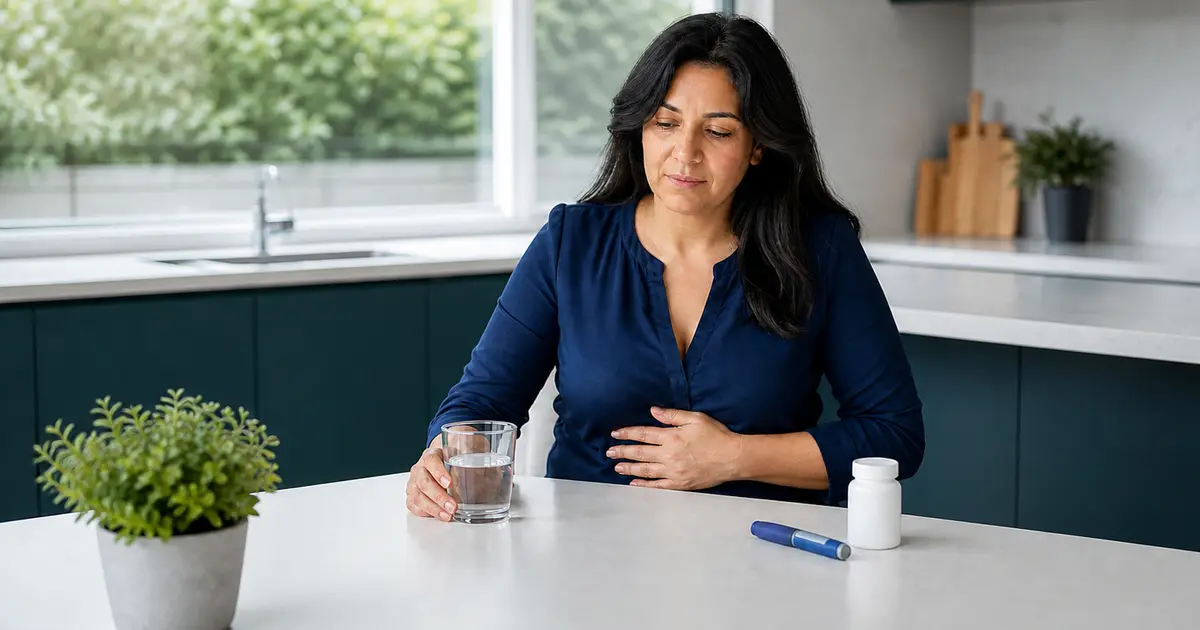
Diarrhea is a common side effect of GLP-1 medications like Ozempic, Wegovy, Mounjaro, and Zepbound. It happens because these drugs slow digestion and change how your gut works. Most cases improve within a few weeks as your body adjusts. Eating smaller meals, avoiding trigger foods (greasy, spicy, or high-fat foods), and staying hydrated can help. If diarrhea lasts more than a few days or causes dehydration, contact your healthcare provider.
Key Points
- Common side effect: Up to 30% of GLP-1 users experience diarrhea
- Usually temporary: Most cases improve within 2-4 weeks as your body adjusts
- Food triggers: Greasy, spicy, and high-fat foods often make it worse
- Timing matters: Taking your dose with food may reduce symptoms
- Stay hydrated: Drink water and electrolytes to prevent dehydration
- When to call: Severe diarrhea, blood in stool, or signs of dehydration need medical attention
Why GLP-1 Medications Cause Diarrhea
GLP-1 medications work by mimicking a hormone your body makes naturally. This hormone slows down digestion and affects how your gut moves food through your system. For some people, these changes cause loose stools or diarrhea.
What Happens in Your Gut
- Slower gastric emptying: Food stays in your stomach longer
- Changed gut motility: Your intestines move differently
- Bile acid changes: GLP-1s can affect how bile acids work, which can cause loose stools
- Food sensitivities: Your body may react differently to certain foods while on GLP-1s
How Common Is Diarrhea on GLP-1s?
Clinical trials show diarrhea rates vary by medication:
- Ozempic (semaglutide): 8-20% of users report diarrhea
- Wegovy (semaglutide): 20-30% of users report diarrhea
- Mounjaro (tirzepatide): 10-20% of users report diarrhea
- Zepbound (tirzepatide): 10-20% of users report diarrhea
Most cases are mild to moderate and improve with time.
When Does GLP-1 Diarrhea Start?
Timeline by Medication
Ozempic/Wegovy (semaglutide):
- May start within first few days of starting or increasing dose
- Often peaks in first 2 weeks
- Usually improves within 4-6 weeks
Mounjaro/Zepbound (tirzepatide):
- May start within first week
- Often improves after 2-4 weeks
- Can return briefly after dose increases
Dose-Related Patterns
- Starting dose: Diarrhea is common when you first begin
- Dose increases: Symptoms may return or worsen after dose increases
- Maintenance dose: Most people find relief once on a stable dose
Food Triggers to Avoid
Certain foods are more likely to cause or worsen diarrhea on GLP-1 medications.
High-Risk Foods
- Greasy or fried foods: French fries, fried chicken, pizza
- High-fat foods: Cream sauces, fatty meats, full-fat dairy
- Spicy foods: Hot peppers, spicy curries, hot sauces
- High-sugar foods: Candy, sugary drinks, desserts
- Artificial sweeteners: Sorbitol, xylitol, mannitol (often in sugar-free products)
- Caffeine: Coffee, energy drinks, strong tea
- Alcohol: Can irritate the gut and worsen diarrhea
Better Food Choices
- Lean proteins: Chicken, turkey, fish, eggs
- Simple carbs: Rice, toast, crackers, bananas
- Cooked vegetables: Steamed or roasted, not raw
- Low-fat dairy: If tolerated, choose low-fat options
- Hydrating fluids: Water, broth, electrolyte drinks
Relief Strategies That Work
1. Eat Smaller, More Frequent Meals
Large meals can overwhelm your digestive system. Try 5-6 small meals instead of 3 large ones.
Why it helps: Smaller amounts of food are easier to digest and less likely to trigger diarrhea.
2. Time Your Meals Around Your Dose
Some people find that eating a light meal before their injection helps reduce side effects.
Why it helps: Food in your stomach may slow absorption and reduce gut irritation.
3. Stay Hydrated
Diarrhea causes fluid loss. Replace fluids to prevent dehydration.
What to drink:
- Water (sip throughout the day)
- Electrolyte drinks (low-sugar options)
- Clear broths
- Herbal teas (non-caffeinated)
Avoid:
- Sugary drinks (can worsen diarrhea)
- Caffeine (can stimulate the gut)
- Alcohol (dehydrating and irritating)
4. Try the BRAT Diet (Short-Term)
For acute diarrhea, the BRAT diet can help:
- Bananas
- Rice (white)
- Applesauce
- Toast (white bread)
Note: This is not nutritionally complete. Use only for 1-2 days during acute symptoms.
5. Consider Probiotics
Some people find probiotics helpful for GLP-1 digestive side effects.
What to try:
- Yogurt with live cultures (if tolerated)
- Probiotic supplements (ask your doctor)
- Fermented foods (if tolerated)
Evidence: Studies show probiotics may help restore gut balance during medication changes.
6. Over-the-Counter Options
Loperamide (Imodium):
- Can reduce diarrhea frequency
- Use as directed on package
- Do not use for more than 2 days without talking to your doctor
Bismuth subsalicylate (Pepto-Bismol):
- May help with diarrhea and stomach upset
- Can cause temporary darkening of stool
- Check with your doctor before using
Important: Always check with your healthcare provider before starting any new medication, even over-the-counter options.
When to Call Your Doctor
Most GLP-1 diarrhea is manageable and improves with time. However, some situations need medical attention.
Call Your Doctor If:
- Diarrhea lasts more than 3-4 days without improvement
- You have signs of dehydration (dark urine, dizziness, extreme thirst, dry mouth)
- You see blood or mucus in your stool
- You have severe abdominal pain
- You have a fever over 101°F (38.3°C)
- You cannot keep fluids down
- You have more than 6 watery stools per day
- You feel weak, confused, or very tired
Signs of Dehydration
Dehydration is the main risk from diarrhea. Watch for:
- Dark yellow or brown urine
- Urinating less often than usual
- Dry mouth and throat
- Dizziness when standing
- Extreme thirst
- Fatigue or confusion
- Rapid heartbeat
If you notice these signs, contact your healthcare provider right away.
Preventing Diarrhea When Starting GLP-1s
You may not be able to prevent diarrhea entirely, but you can reduce your risk.
Before Starting
- Stock up: Have bland foods, electrolytes, and anti-diarrheal medication on hand
- Plan timing: Start your dose before a weekend if possible
- Talk to your doctor: Ask about dose titration strategies
During First Weeks
- Start low, go slow: Follow the dose escalation schedule
- Eat small meals: Avoid large portions
- Avoid triggers: Skip greasy, spicy, or high-fat foods
- Stay hydrated: Drink water throughout the day
- Track symptoms: Note what foods or situations worsen symptoms
After Dose Increases
- Expect some symptoms: Mild diarrhea may return after dose increases
- Return to basics: Use the same strategies that helped when you started
- Give it time: Symptoms usually improve within 1-2 weeks
Common Mistakes to Avoid
Mistake 1: Stopping the Medication
Problem: Stopping GLP-1 medication without talking to your doctor can cause blood sugar or weight management issues.
Better choice: Talk to your doctor about dose adjustments or symptom management strategies.
Mistake 2: Ignoring Dehydration
Problem: Diarrhea causes fluid loss. Ignoring this can lead to serious dehydration.
Better choice: Drink water and electrolytes consistently, even if you do not feel thirsty.
Mistake 3: Eating Trigger Foods
Problem: Continuing to eat foods that worsen symptoms prolongs the problem.
Better choice: Avoid known triggers until your body adjusts to the medication.
Mistake 4: Waiting Too Long to Get Help
Problem: Severe or persistent diarrhea needs medical attention.
Better choice: Contact your doctor if symptoms last more than a few days or are severe.
Frequently Asked Questions
How long does GLP-1 diarrhea last?
For most people, diarrhea improves within 2-4 weeks as the body adjusts to the medication. It may return briefly after dose increases but typically resolves within 1-2 weeks.
Can I take anti-diarrheal medication with GLP-1s?
Yes, over-the-counter options like loperamide (Imodium) are generally safe for short-term use. However, always check with your healthcare provider before starting any new medication.
Should I stop my GLP-1 if I have diarrhea?
Products That Can Help
Managing GLP-1 diarrhea? These products may help:
- Electrolyte powder — Replenish fluids and minerals lost from diarrhea
- Ginger chews — Settle your stomach and reduce nausea that often accompanies diarrhea
- Probiotic supplement — Support gut health during GLP-1 treatment
- Food and symptom journal — Track trigger foods and identify patterns
Do not stop your medication without talking to your doctor. Mild to moderate diarrhea is common and usually temporary. Your doctor may recommend dose adjustments or symptom management strategies.
What foods help with GLP-1 diarrhea?
Bland, low-fat foods like bananas, rice, applesauce, toast, crackers, and boiled potatoes are gentle on the gut. Avoid greasy, spicy, or high-fat foods.
Is diarrhea a sign the GLP-1 is working?
Not necessarily. Diarrhea is a side effect, not a sign of effectiveness. Many people have no digestive side effects and still get full benefits from their GLP-1 medication.
Can I prevent diarrhea when starting GLP-1s?
You may not prevent it entirely, but you can reduce risk by starting with a low dose, eating small meals, avoiding trigger foods, and staying hydrated.
Medical Disclaimer
This article is for informational purposes only and does not constitute medical advice. Always consult with your healthcare provider about side effects from GLP-1 medications. If you experience severe or persistent diarrhea, contact your healthcare provider immediately.
Individual responses to GLP-1 medications vary. What works for one person may not work for another. Your healthcare provider can help you find the best approach for your situation.
Last updated: April 7, 2026
Reviewed by: GLPSpot Editorial Team